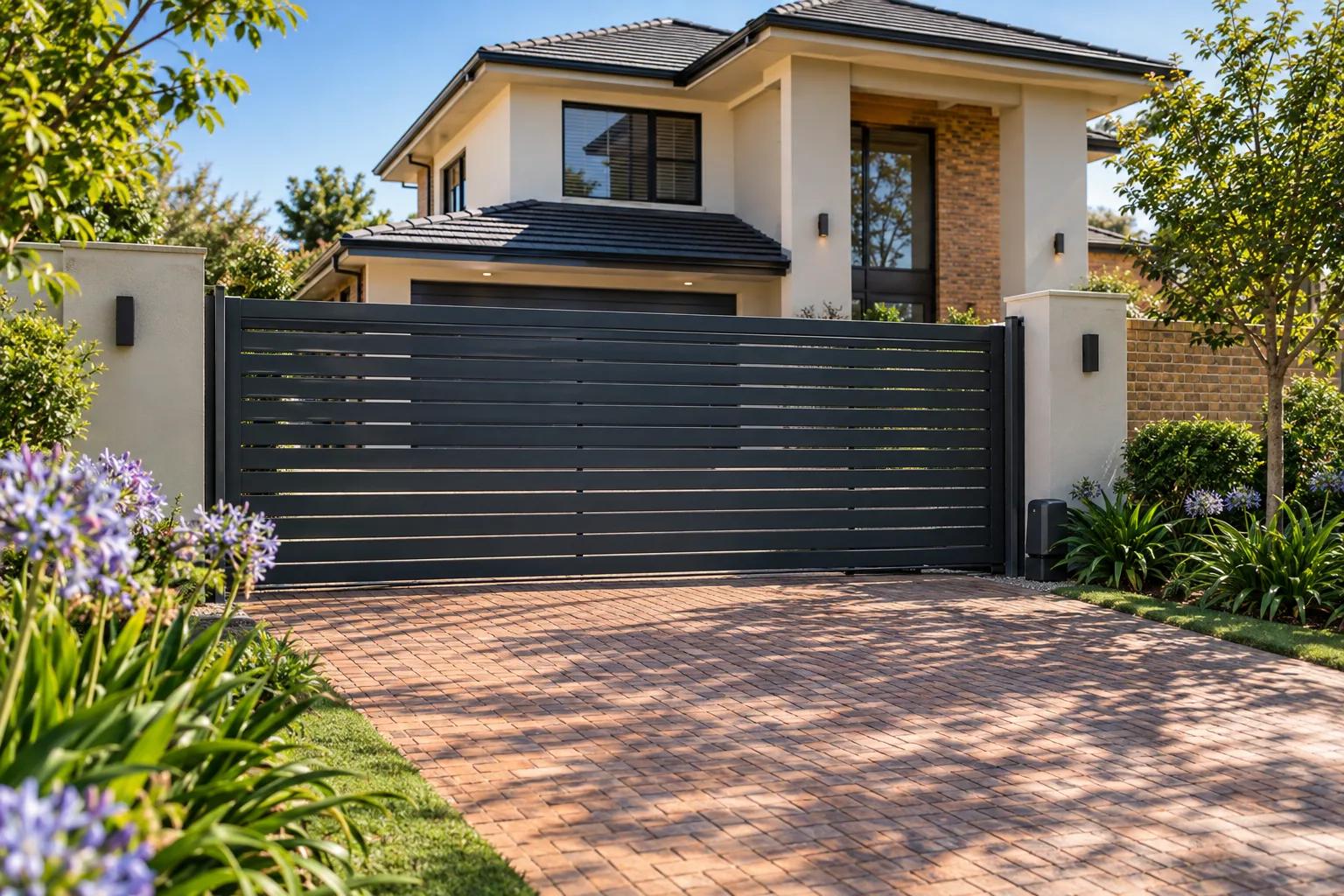

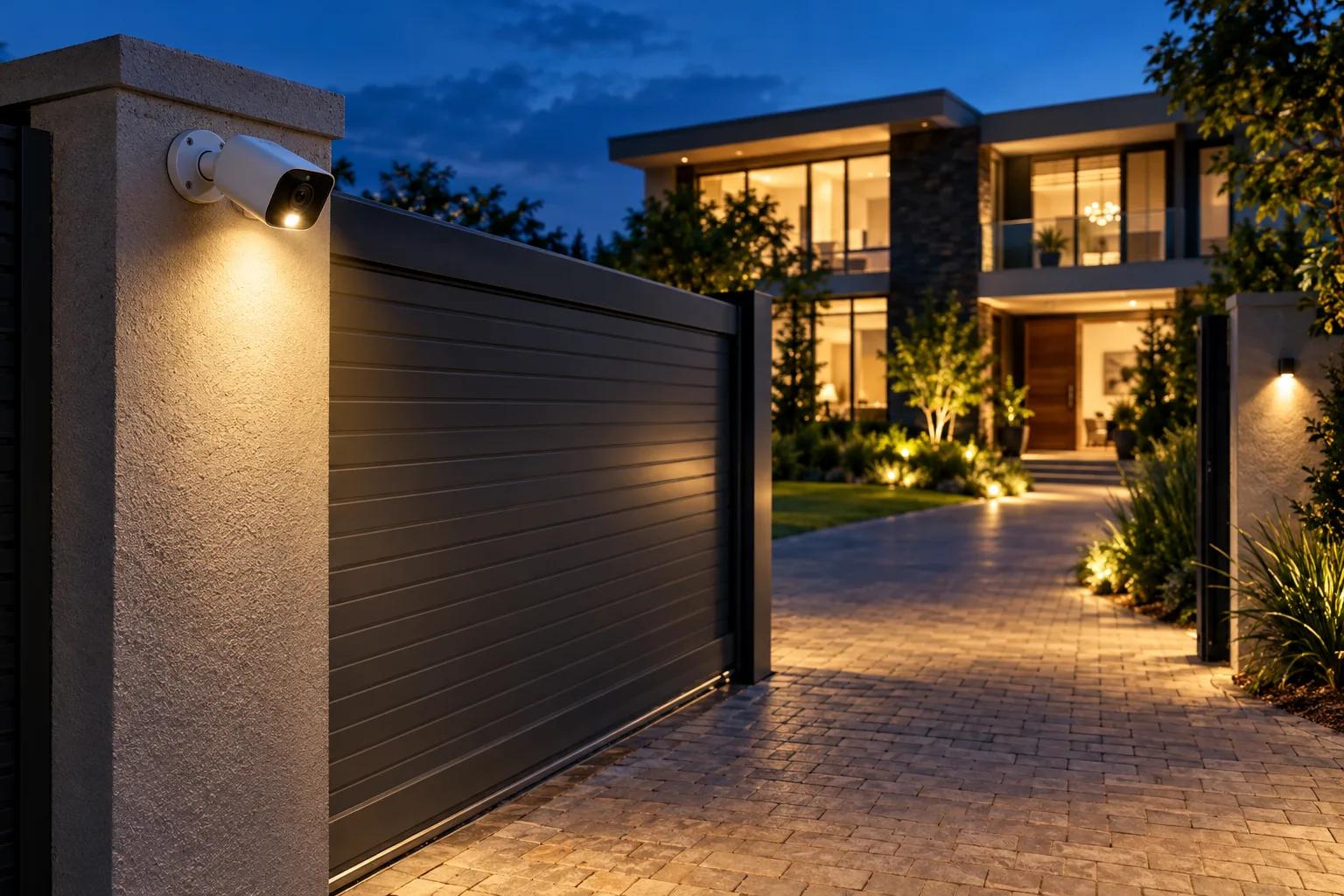
At 11:20pm someone walks through your side gate, and your camera records all of it. In the morning you play it back, and everything is grey. A grey jacket, a grey cap, a grey car waiting at the kerb. The police ask what colour the car was. You can't say, because the camera switched to black and white at sunset and stayed that way until sunrise.
What does a colour night vision camera do?
A colour night vision camera keeps recording in colour after dark. Most cameras switch to a grey picture at night instead. This one uses a bigger image sensor and a wider lens to gather more of the light around it. Many also add a soft white light for dark spots, so you still see the colour of a car.
Key Takeaways
- An ordinary security camera switches to infrared at night, and infrared records in grey, so all colour is lost.
- A colour night vision camera stays in colour by gathering more of the light around it. It uses a bigger sensor and a wider lens.
- A colour night vision camera still needs some light: a streetlight, a security light or its own built-in white light.
- Colour footage shows the colour of a car, a jacket or a bag. That's often the first thing the police ask for.
- Colour cameras suit gates, driveways and lit entrances at homes, estates and businesses, while infrared still suits long, dark boundaries.
Why ordinary cameras go grey at night
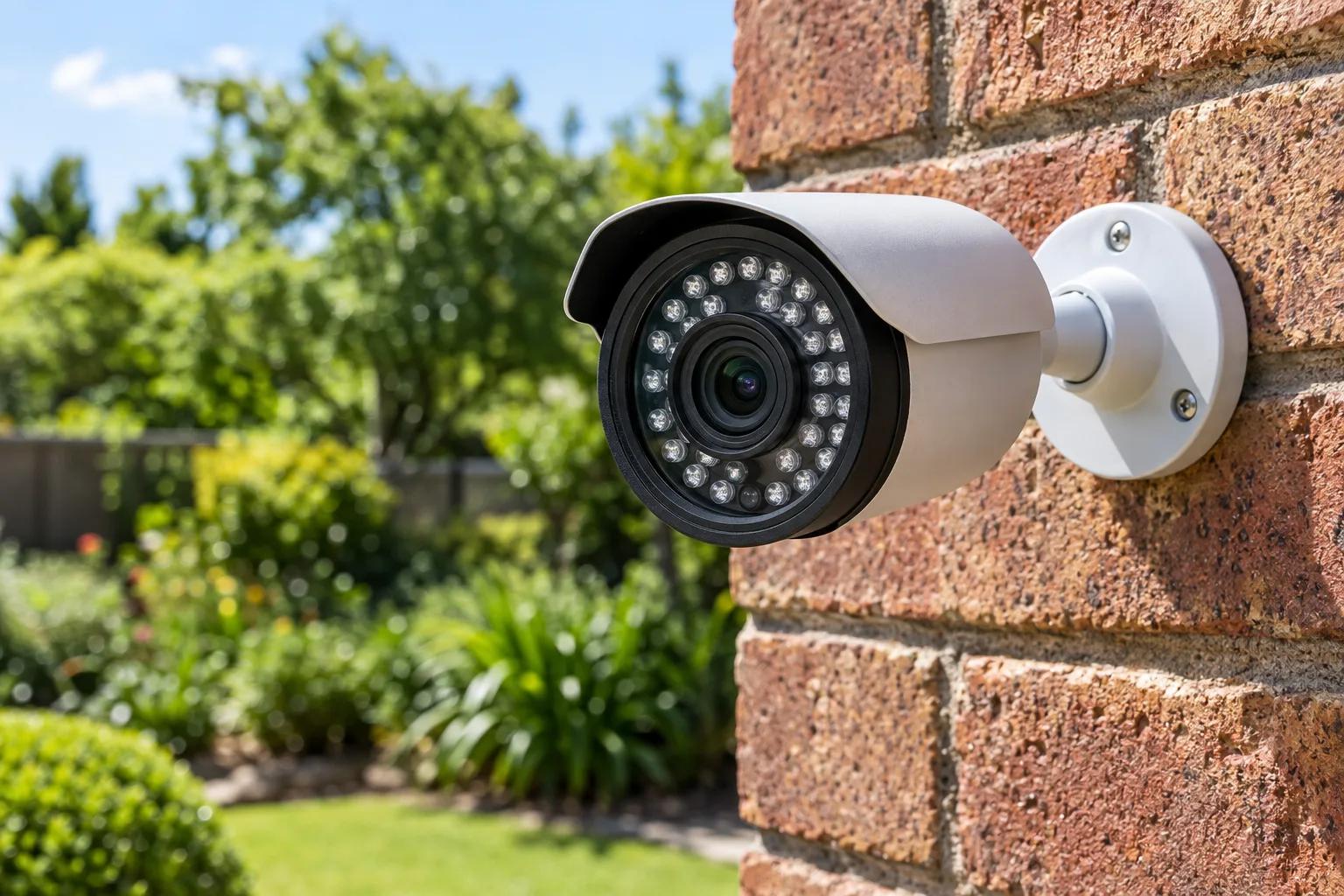
Most security cameras have two modes, and by day they record in colour. When the light drops below a set level, the camera senses this and switches to night mode. It then turns on infrared lights. The camera sees this light clearly, but to your eyes it's at most a faint red glow.
Infrared gives a sharp picture in near-total darkness, but it has no colour. A red jacket and a blue jacket look the same, and a silver car is hard to tell from a white one. You can see someone was there and roughly what they did. But one of the most useful clues to who they are is gone.
Cameras are built this way for good reasons. Infrared works with no other light at all, it's barely visible, and it's cheap. So the camera works the same on a lit street and on a pitch-dark back wall. For many spots on a property, that steady picture is worth more than colour.
The trouble comes where you most need to know who it was: the gate, the driveway and the front door. These are the places where you'll want to describe a car or a jacket the next morning. A grey picture leaves you guessing. A colour night vision camera fills this gap. Police figures show house robberies fell by 20.4% from January to March 2026, compared with a year earlier. But they still happen.
How a colour night vision camera keeps its colour
A colour night vision camera gathers more of the light already around it. So it stays in colour when an ordinary camera gives up.
Two parts do the work, and the first is a bigger image sensor. Each dot in the picture collects more light, so the image stays clear as the light fades. The second is a wider lens opening, which lets more light reach the sensor.
Many colour models also have a soft warm-white light built in, aimed at the scene. On a dark driveway, this light gives the sensor enough to show colour. Some switch it on only when they sense movement. That sudden light tells the person they've been seen, and some owners want exactly this.
Others would rather have a camera no one can spot at night. For them, infrared is still the better choice. So is a colour camera without its own light, placed under an existing security light. Some models also switch over to infrared on their own when it gets too dark for colour. The table shows how the two kinds compare.
Infrared and colour night vision compared
| Infrared night vision | Colour night vision | |
|---|---|---|
| Picture at night | Grey | Full colour |
| Light needed | None, works in darkness | Some light, or its own built-in light |
| Colour of a car or jacket | Not visible | Visible |
| Light people notice | A faint red glow at most | Yes, if it has a built-in light |
| Best for | Long, dark boundaries | Gates, driveways and lit entrances |
How much light it needs
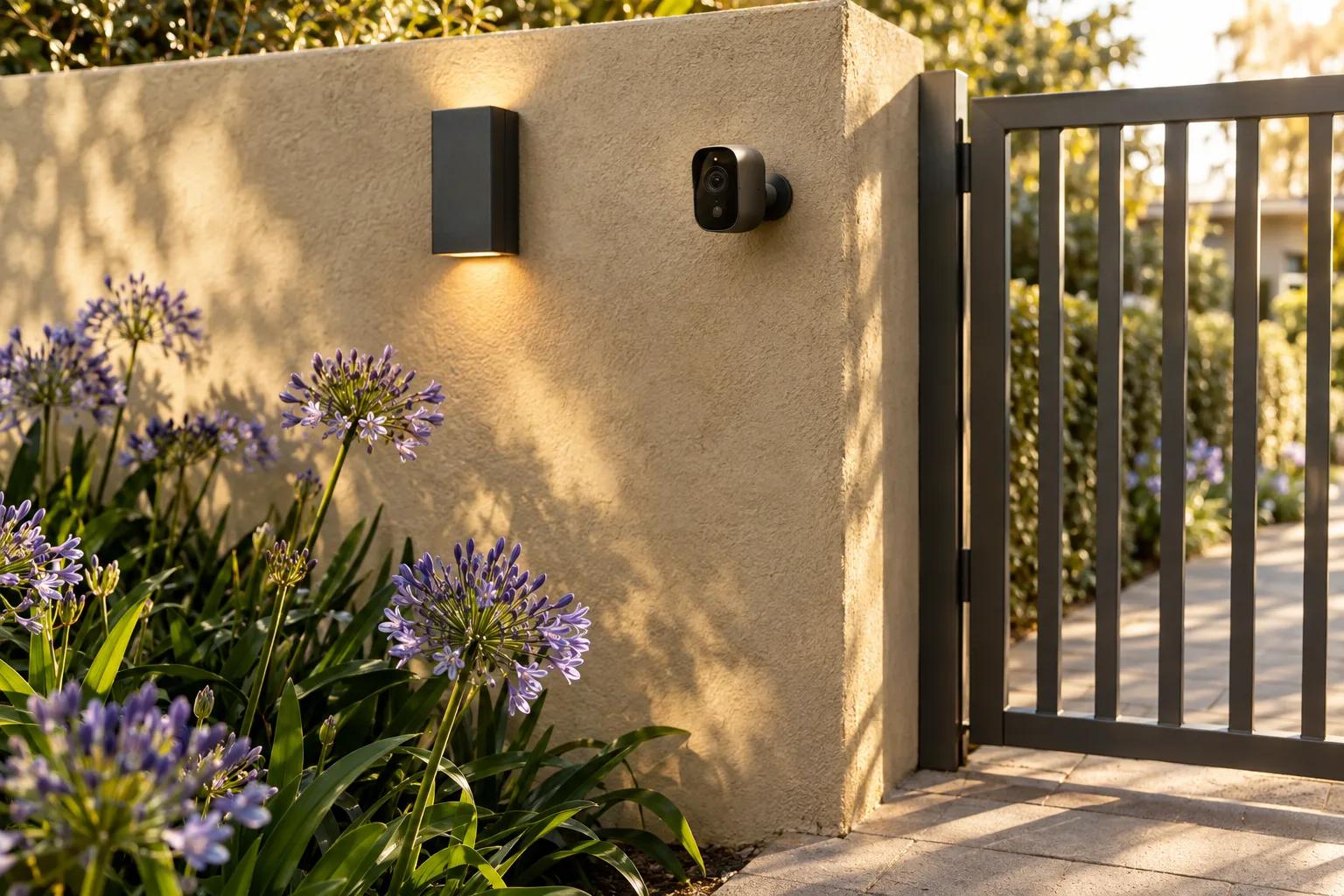
A colour night vision camera doesn't need daylight, but it does need some light. A gate or driveway camera usually needs only a little to stay in colour. A streetlight down the road is often enough. So is a light over the gate, a neighbour's outside light or the lights at an estate entrance.
Where there's no light at all, the camera's own warm-white light takes over, or a security light nearby does the job. A light on a motion sensor works well here. It stays off until someone moves, then lights up the scene and warns the person they're being filmed. Point it at the area, not the lens, or the glare washes out the picture.
The common mistake is putting a colour camera where it can't work. Say it points at a dark back wall at the far edge of its range, with no light nearby. The picture comes out grainy and dim, colour or not, because the sensor can only use the light reaching it.
So plan the camera and the light together. Check each spot after dark, with the live picture open on your phone. You'll see which spots keep their colour and which need a light added. This night check is part of good CCTV camera placement, and it's the step most often skipped. Anyone paid to fit or fix security equipment must be registered with PSIRA, under the PSIRA Act of 2001.
What colour footage changes
The difference shows the morning after something happens. A colour camera at the gate records a green bakkie and a person in a grey hoodie and dark tracksuit pants at 1:40am. An infrared camera records a vehicle and a figure, both grey. The first gives the police something to look for, while the second doesn't narrow it down much. If the footage shows someone acting strangely, SAPS advises phoning the police straight away.
At a business, colour helps on ordinary days as well as after a break-in. You can check colour details against what you know. A delivery van after hours stands out, and so does a staff member's car in the yard on a Sunday. At an estate gatehouse, a car coming through at 4:50am in colour is clear enough to check against the visitor list. Estates should also note the Information Regulator's proposed code for gated access. It covers how visitors' details are handled at the gate.
Colour also helps after trouble at home. Sometimes a neighbour's camera, your own camera and an estate camera each catch part of what happened. A colour detail, like a red cap or a white bakkie, lets you link the clips together. In grey, three clips may look like three different people.
None of this replaces a good angle and height. A colour night vision camera mounted too high still records only the top of a cap, now in colour. Colour adds detail to a well-placed camera, but it can't save a badly placed one. Cameras people can see also put some off. In a US study of 422 burglars in prison, most said outdoor cameras were among the signs they weighed up. These signs helped them pick a target.
Where colour earns its place, and where infrared still wins
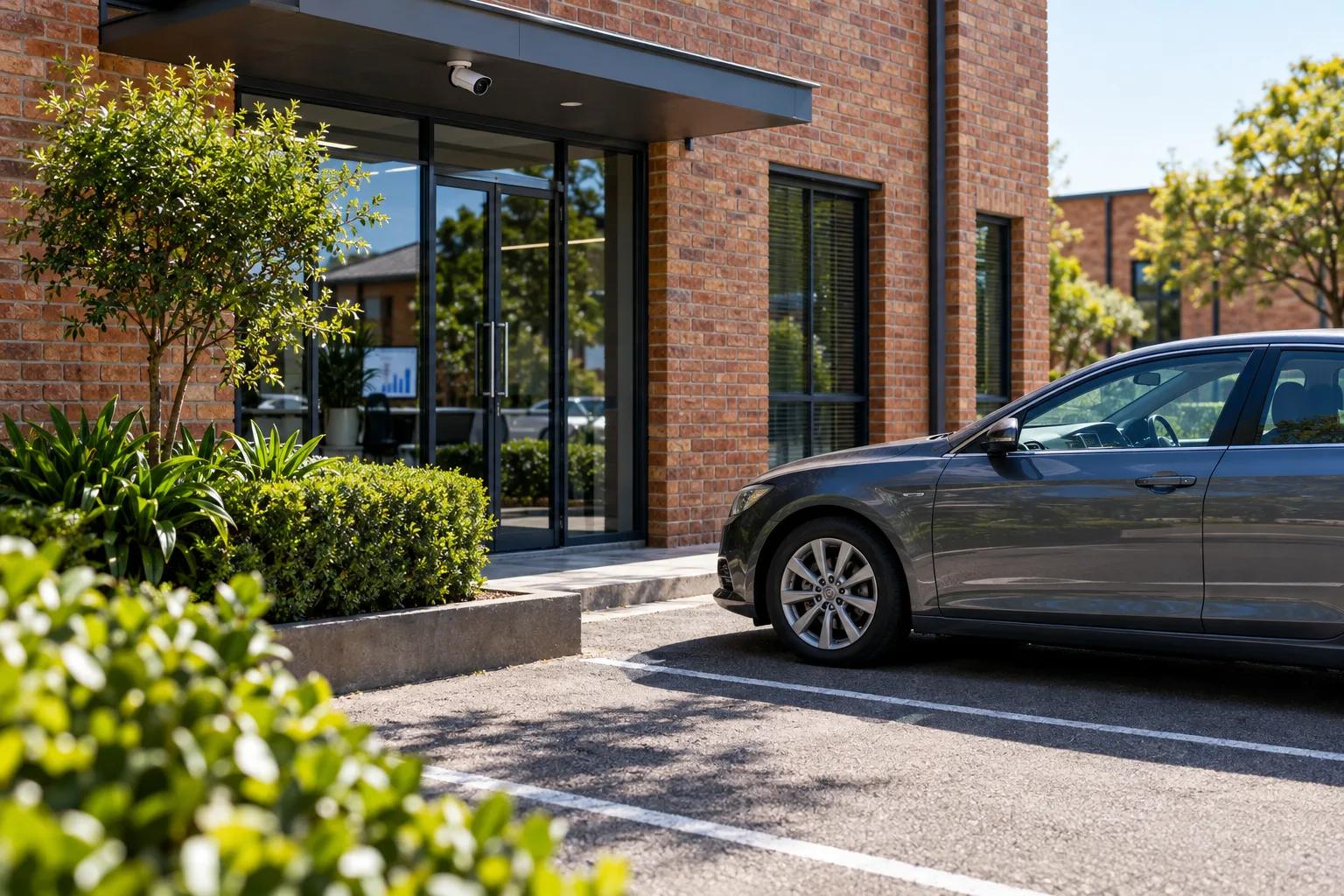
Not every spot needs colour at night. The right camera for each spot depends on the light, the distance and what the footage has to show.
Colour earns its place wherever you need to know who someone is. Good spots are the main gate, the side gate and the driveway. So are a shop or office entrance, a loading bay and an estate boom. In these spots, you'll want to tell a dark blue car from a silver one.
Infrared still wins along long, dark stretches with no light, such as a back wall, a farm fence or an estate boundary. Out there, a colour sensor without a light gives a grainy picture, while infrared sees clearly into the dark. Many good systems use both: colour at the entrances and infrared along the boundary. Footage of people can count as personal information under the POPI Act, so keep your cameras on your own property.
Colour footage at night can take a little more space on the recorder. A colour picture carries more data than a grey one. So when you add a colour night vision camera, check your CCTV recording storage. Then the recorder still keeps as many days as you need. Our CCTV page explains the cameras we fit.
Closing Reflection
Now there's a colour night vision camera at the gate and the driveway, and infrared along the dark back wall. Your footage after dark finally shows what you'd need to describe. A soft warm-white light comes on when someone walks in, and the picture keeps its colour. The recorder stores every day you need, too. When the side gate opens at 11:20pm, the morning footage shows a navy jacket, a red cap and a white car at the kerb.
*You shouldn't have to guess the colour of a car from grey footage. With Paul's Gates you won't.*
Contact Paul's Gates to arrange a site visit and a written quotation for CCTV at your home, estate or business.
You may still have a few questions about how these cameras cope in the dark and which light suits them best.
Frequently Asked Questions
Can you get colour night vision cameras?
Yes. They're easy to find, and they're now a normal choice for homes, businesses and estates, not a special product. They come in the same shapes as ordinary cameras, with the same picture sharpness. That includes bullet cameras on a wall bracket and dome cameras under the edge of a roof.
You'll find two kinds. One gathers the light already around it, using a bigger sensor and a wider lens. It needs a streetlight or security light nearby. The other adds its own warm-white light, so it keeps its colour in a dark spot. Some of these switch the light on only when they sense movement.
Which kind suits you depends on each spot. A gate under a streetlight may need no built-in light at all, while a dark driveway will. Many systems mix colour cameras at the entrances with infrared cameras along the boundary. Check the picture after dark at each spot before the job is finished. A colour camera in the wrong place still gives a dim, grainy picture.
Do colour night vision cameras work in complete darkness?
Not on their own. A colour night vision camera needs some light to record colour, because colour comes from light you can see. With no light at all, there's nothing for the sensor to pick up. In total darkness, a camera without a light gives a grainy, dark picture or switches to infrared, which is grey.
This is why many colour models carry their own warm-white light. In a dark spot, the light comes on all night, or only when the camera senses movement. It gives the sensor enough light to show colour. A security light on a motion sensor nearby does the same job.
Infrared cameras are the ones built for total darkness. Their infrared light shows at most a faint red glow. So they can watch a dark corner without drawing attention, but the picture is grey. For a long, unlit boundary, infrared is usually the better choice. For a gate or driveway where you want to see colour, add a light, either on the camera or near it.
Is colour night vision better than infrared?
Neither is better everywhere, because each one suits different spots. Colour night vision shows the colour of a car, a jacket or a bag after dark. That helps you work out who someone is the next morning. Infrared shows a sharp grey picture in total darkness, with at most a faint red glow.
Choose colour where you need to know who someone is and there's some light, or a light can be added. That covers the gate, the driveway, the front door, a shop entrance or a loading bay.
Choose infrared for long, dark stretches with no light, such as a back wall, a fence line or an estate boundary. It also suits spots where you'd rather no one noticed a camera. Many properties use both, with colour at the entrances and infrared along the boundary. Whichever you choose, the height and angle of the camera count as much as the night mode. A camera mounted too high records the top of a head, in colour or in grey.
What colour light is best for a night vision camera?
For a colour night vision camera, warm-white light is the usual choice. It lights the scene with less glare than a harsh cool-white floodlight, so the picture looks more natural. That's why most colour cameras with a built-in light use a warm-white one.
Cool-white light also works, but bright cool light can blow out the picture and bounce harshly off white walls and car paint. Infrared light, used by ordinary night cameras, has no colour at all, so it can't help a colour camera.
If you're adding a security light for a camera at the gate or driveway, choose a warm-white fitting. Aim it at the area the camera watches, not at the lens. A light on a motion sensor suits most homes and businesses. It stays off until someone moves, then lights up the scene and tells the person they've been seen. The light doesn't need to flood the whole garden. It only needs to give the camera enough light to show colour across its view.