
The camera above your gate looks fine from the street, and the app says it's online. Then the power goes off at 9pm, and the router goes dark with it. The camera drops off your phone. No alert comes, because the camera has nothing left to send it with. The next morning, the recording jumps from 8:59pm to 1:40am, and the gate is standing open...
What does wired vs wireless CCTV mean for your property?
Wired vs wireless CCTV is the choice between two kinds of camera. A wired camera sends its picture down a cable to a recorder. A wireless camera sends it over Wi-Fi. A wired one keeps going when the network drops. A wireless one needs the router, a good signal and power to keep both on.
Key Takeaways
- A wired camera gets its picture and its power through one network cable, so a router fault doesn't stop it recording.
- Most wireless cameras still need a plug point nearby. Only battery cameras are free of cables altogether.
- In a power cut, a wired system on one backup battery keeps each camera and the recorder running all night.
- A wireless signal can be blocked from outside the property, while someone has to reach a wired camera to cut it.
- Wired suits homes, businesses and estates that want cover for years. Wireless suits rentals, outbuildings and spots a cable can't reach.
Wired CCTV: one cable doing two jobs
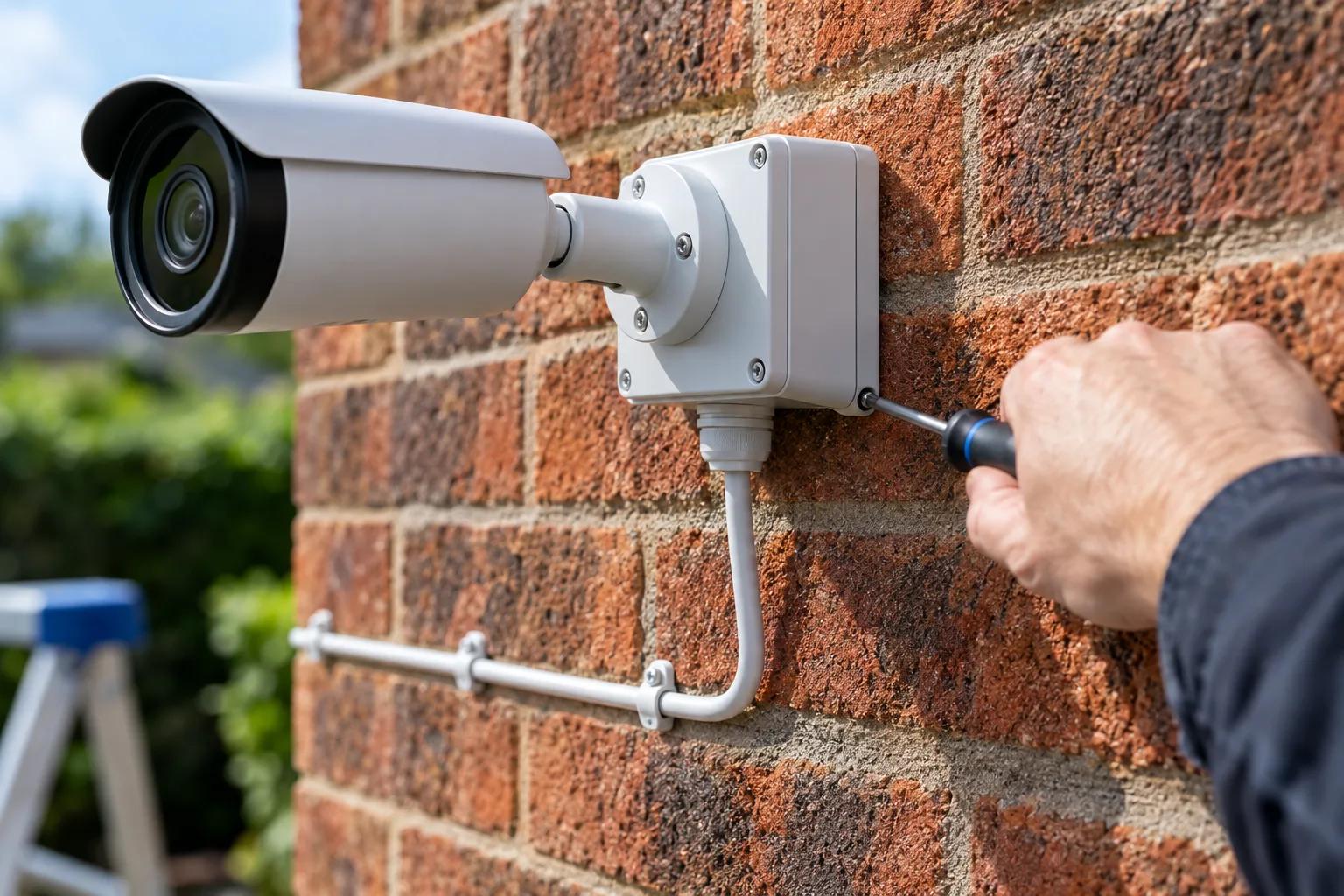
A wired camera sends its picture and gets its power through the same network cable. It's the same kind of cable that links a computer to a router. A switch at the recorder end, called a PoE switch (power over Ethernet), sends power down the cable. So it needs no plug point of its own.
The recorder stores the footage on a hard drive in a locked cabinet, a storeroom or the gatehouse. The cameras and the recorder use their own cables. So last night's footage is still there in the morning, even if the router went off at 2am.
The cost of wired CCTV is the cable run. A technician has to get a cable from the recorder to each camera, through ceilings, walls and pipes. On a finished house or a busy office, this takes time. On a new build, a renovation or a business moving in, it costs little extra. Anyone paid to fit or fix security equipment must be registered with PSIRA, under the PSIRA Act of 2001.
Once the cable is in, it stays until someone takes it down. That's why wired vs wireless CCTV comes out in favour of wired at most permanent sites. There's less to fail, and nothing to charge or reconnect.
Wireless CCTV: what Wi-Fi gives and what it takes away
A wireless camera joins your Wi-Fi the way a phone does. It sends its picture to a recorder, a cloud account or an app. Some store footage on a memory card inside the camera.
The appeal is easy to see. There's no cable back to a recorder, and it's quick to fit and easy to move. Picture a rented flat, or a sectional title unit where you can't cut into walls. Or a garden shed far from the house. There, a wireless camera is sometimes the only real choice.
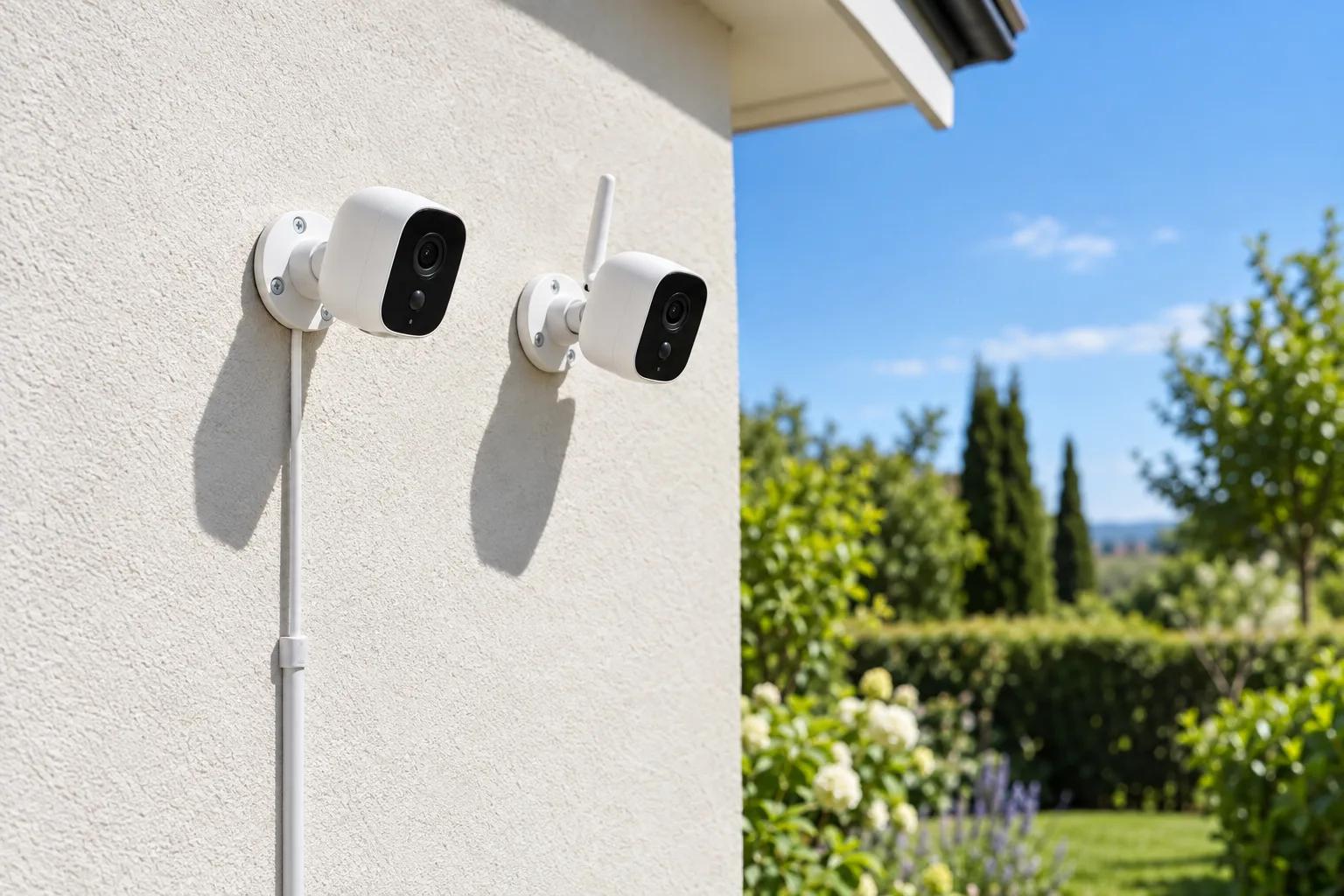
Most wireless cameras still need power, though. They plug into a socket or a power pack near the camera. So "wireless" usually means no data cable, not no cable at all. Only battery cameras are free of both. Their batteries need charging every few weeks or months, depending on how often they wake up to record.
The limits show up in the same places. Walls, distance and a neighbour's Wi-Fi all weaken it. One at the back gate or in a separate garage may keep losing its link. When it does, it stops sending. If it only saves to the cloud, it saves nothing until it's back online.
Wired vs wireless CCTV in a power cut
Power cuts are the biggest practical difference in wired vs wireless CCTV. When the power goes, a wireless camera on a wall socket goes with it. So does the router that every wireless camera relies on.
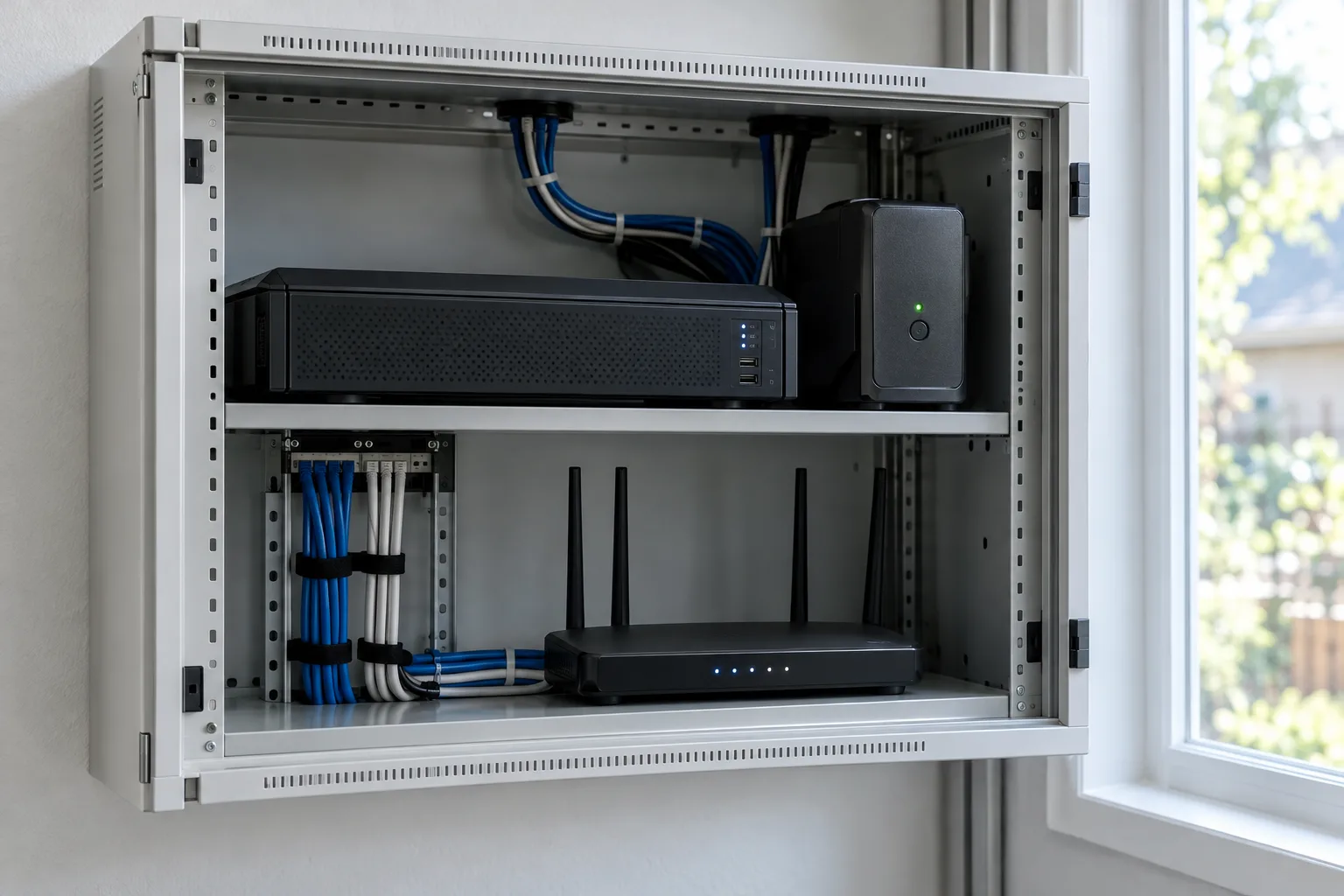
A wired system needs one backup battery, or an inverter, at the recorder. The cameras draw their power down the network cable from the PoE switch. So keeping the switch and the recorder running keeps each camera running too. A small battery carries a home system through a power cut of several hours. A larger one carries a business or an estate.
To keep wireless cameras going in a power cut, you need backup power for each camera's socket. The router and the fibre box need it too. Miss one, and there's a hole in the system at the moment the street goes dark.
Battery cameras keep going in a power cut. But it mostly records only when it senses movement. It can miss the first second or two while it wakes up. With solar and batteries, both types usually stay on, because the house keeps its power.
Tampering and blocked signals
To stop a wired camera, someone has to reach it. Cutting its cable stops it, but that means getting close, on camera. A good installer runs the cable inside a pipe or through the building. Then nothing shows on the outside wall. The recorder sits indoors. If it's sprayed or smashed, the footage up to that moment is safe on the hard drive. Cameras people can see also put some off. In a US study of 422 burglars in prison, most said outdoor cameras were among the signs they weighed up. These signs helped them pick a target.
A wireless camera can be stopped without being touched. A jamming device near the property can flood the Wi-Fi signal. They stop sending, but still look normal from the street. ICASA, the communications regulator, has said that jamming devices are illegal in South Africa. But some criminals still use them. The UK's National Cyber Security Centre also advises you to change any default password. Getting into someone's cameras without permission can be a crime under the Cybercrimes Act.
Cloud storage helps here. What reached the cloud before the signal dropped is stored off site. No one can take it by carrying away the recorder. But it comes with a monthly fee, and it only keeps what the camera managed to send.
The best of both is a wired system with the recorder indoors. A few cameras can also upload to the cloud. The recorder keeps the full record, and the cloud keeps a copy of the most important views. Footage of people can count as personal information under the POPI Act, so keep your cameras on your own property.
Picture quality, storage and running costs
In wired vs wireless CCTV, picture quality is close to a draw. Both types come in the same sizes, from 2 megapixels up to 8 megapixels (4K). So the picture depends on the model and where it's placed, more than on the cable. At night, both use the same infrared or colour night vision. A sharper picture also uses more space, whichever type you choose. If you need to read a number plate at the gate, pick the sharper camera, wired or not.
Storage is where the costs differ. A wired system that saves to a hard drive keeps weeks of footage with no monthly fee. The number of days depends on the drive size, the picture quality and how many cameras share it. Our guide to CCTV recording storage explains how to work it out.
A wireless camera that saves to the cloud keeps what the plan allows, often seven to thirty days. You pay a monthly fee for each camera. A memory card inside the camera keeps a few days. It also sits within reach of anyone who gets to it.
Wired vs wireless CCTV side by side
| Wired CCTV | Wireless CCTV | |
|---|---|---|
| Power cuts | Keeps recording on one backup battery at the recorder | Stops unless each camera, the router and the fibre box have backup |
| Wi-Fi faults | No effect | Stops sending until it reconnects |
| Fitting | A cable run to each camera | Quick, but most still need a plug point |
| Blocked signals | Someone has to reach it to cut it | The signal can be blocked from outside |
| Storage | Hard drive, weeks of footage, no monthly fee | Cloud (monthly fee) or a card inside the camera |
| Best for | Homes, businesses and estates that want cover for years | Rentals, outbuildings and spots a cable can't reach |
Which suits a home, a business or an estate?
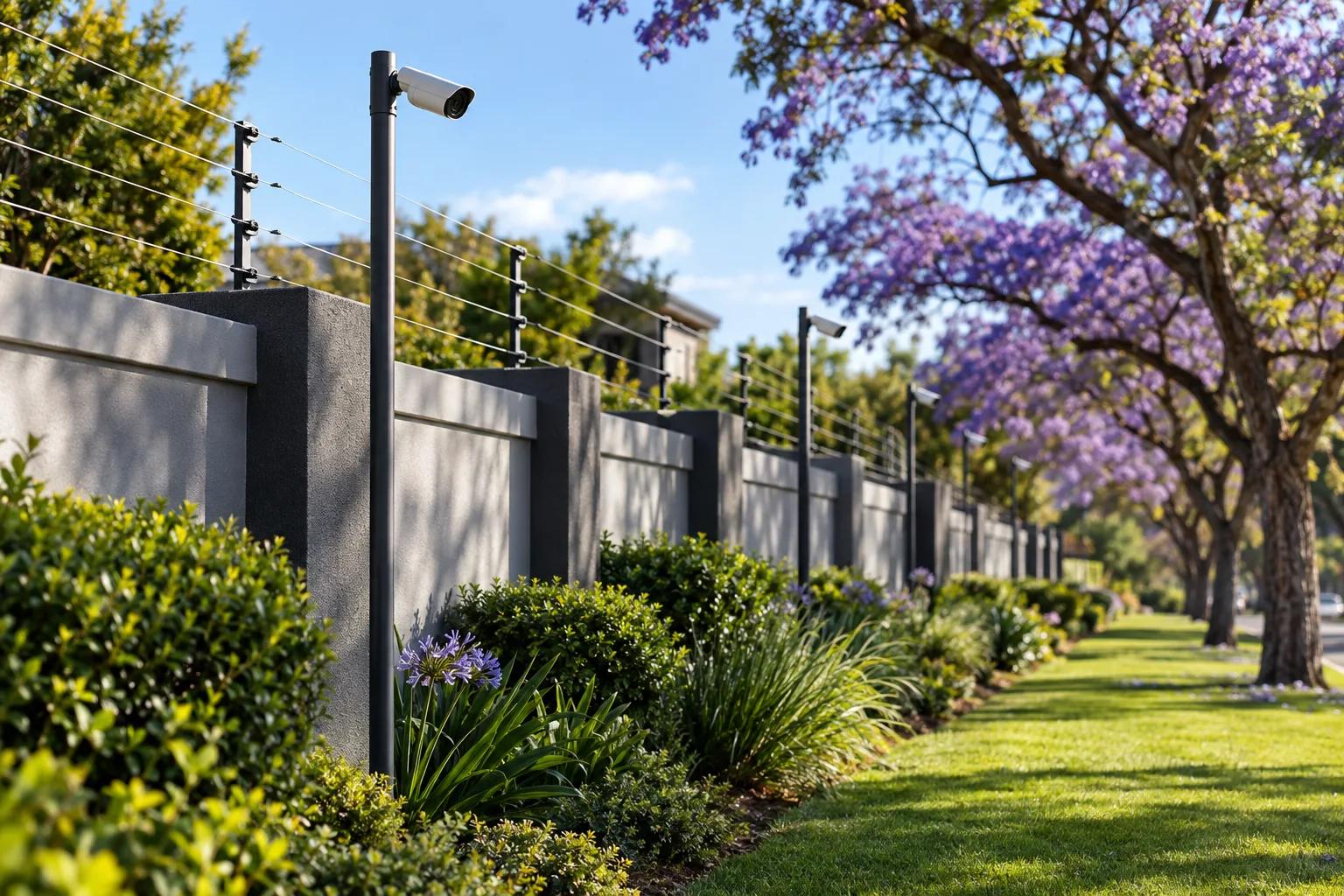
For a freestanding home, wired vs wireless CCTV usually comes down in favour of wired, with a backup battery. The cable run adds to the first cost. But each camera records through a power cut, the footage stays on your own recorder, and there's no monthly fee. A wireless or battery camera can fill in for one awkward spot, like a garden cottage.
For a townhouse or flat where you can't run cables, wireless cameras on a good Wi-Fi signal are a fair middle ground. Put the router on backup power. Check the signal at each camera spot before you buy.
A business with a yard, a loading bay and a staff entrance needs more. The norm is wired cameras on a recorder in a locked room, with backup power. At an estate, the entrances, gatehouse and boundary cameras are wired. A gap at the boom at 10pm is a gap in the record for every home behind it. Police figures show house robberies fell by 20.4% from January to March 2026, compared with a year earlier. But they still happen. Wireless is kept for spots where digging through paving isn't worth it.
Whichever you choose, you can watch either type on your phone. Our CCTV page explains the systems we fit.
Closing Reflection
Now your wired cameras run on one backup battery, and the next long power cut goes by without a gap. The router can drop and the street can go dark at 9pm. Each camera keeps recording to a hard drive in a locked cabinet. Where a cable couldn't reach, one small battery camera covers the far back corner. In the morning, the footage runs from evening to sunrise without a break. The gate is closed, exactly the way you left it.
*You shouldn't have to find a three-hour gap in your footage on the morning you need it. With Paul's Gates you won't.*
Contact Paul's Gates to arrange a site visit and a written quotation for CCTV at your home, estate or business.
You may still have a few questions about how the two types compare day to day.
Frequently Asked Questions
Is a wired security system better than wireless?
For a permanent home, business or estate, a wired system is usually more reliable. A wired camera keeps recording when the Wi-Fi drops. One backup battery at the recorder keeps each camera running through a power cut. A wireless camera stops when the router or the power does, unless each one has backup.
A wired system also stores weeks of footage on its own hard drive, with no monthly fee. Someone has to reach them before they can stop them. Wireless signals can be blocked from outside the property.
Wireless still has a place. It suits a rented home where you can't run cables. It also suits an outbuilding far from the house, or a spot you only need for a few months. Battery cameras go where there's no power at all, as long as someone remembers to charge them. Many properties end up with a mix. They put wired cameras on the gate, doors and boundary, and one or two wireless cameras where a cable can't go.
Do burglars avoid homes with CCTV cameras?
Visible cameras do put some people off. A US university asked 422 convicted burglars how they choose a target. Most said outdoor cameras were among the signs of security they weighed up. A camera in plain sight above the gate tells anyone watching the street they'll be filmed. Many will move on to a house without one. But a camera won't stop someone set on getting in. A camera hanging loose, or clearly off, tells them the opposite.
What counts more is what the camera records when something happens. Footage of a face, a car or the point of entry helps the police and your security company. It also shows whether a door was forced or left open.
One that goes offline in a power cut at 10pm gives you none of this. So the warning and the record both depend on it staying on. That's where backup power and a wired connection earn their place.
Do wireless CCTV cameras work without internet?
Some do and some don't. It depends on where they record. Some save to a memory card, or to a recorder on your own network. These keep recording when the internet goes down. The Wi-Fi and the power only need to stay on. You can't watch it on your phone until the internet comes back, but the footage is there.
A camera that records only to the cloud needs the internet to save anything. When the connection drops, it stops recording, and the gap stays in the record for good.
Wi-Fi and internet are separate things here. A camera needs the Wi-Fi to reach a recorder in the house, and the internet to reach the cloud or your phone. A power cut usually takes out both. That's why the router and fibre box need backup power if your cameras are wireless. If you want recordings to survive an internet outage, choose cameras that record to a card or recorder on site. Treat the cloud as a backup copy.
Can I mix wired and wireless CCTV cameras?
Yes, and many properties do. Most recorders accept both wired and wireless cameras on the same system. You see them side by side in one app and search their footage together.
A common mix puts wired cameras on the gate, the doors, the side passages and the boundary. Then a wireless or battery camera covers a spot a cable can't reach easily. That might be a garden cottage, a shed, a far back corner or a gate at the end of a long panhandle.
Check two things before you mix them. First, make sure the recorder supports the wireless cameras you want, because some only work with their own app and cloud. Second, check the Wi-Fi signal at the wireless camera's spot, and put the router on backup power. If you don't, the wireless camera will be the one gap in an otherwise solid system. A technician can test the signal on site before anything is bought.